DL371A
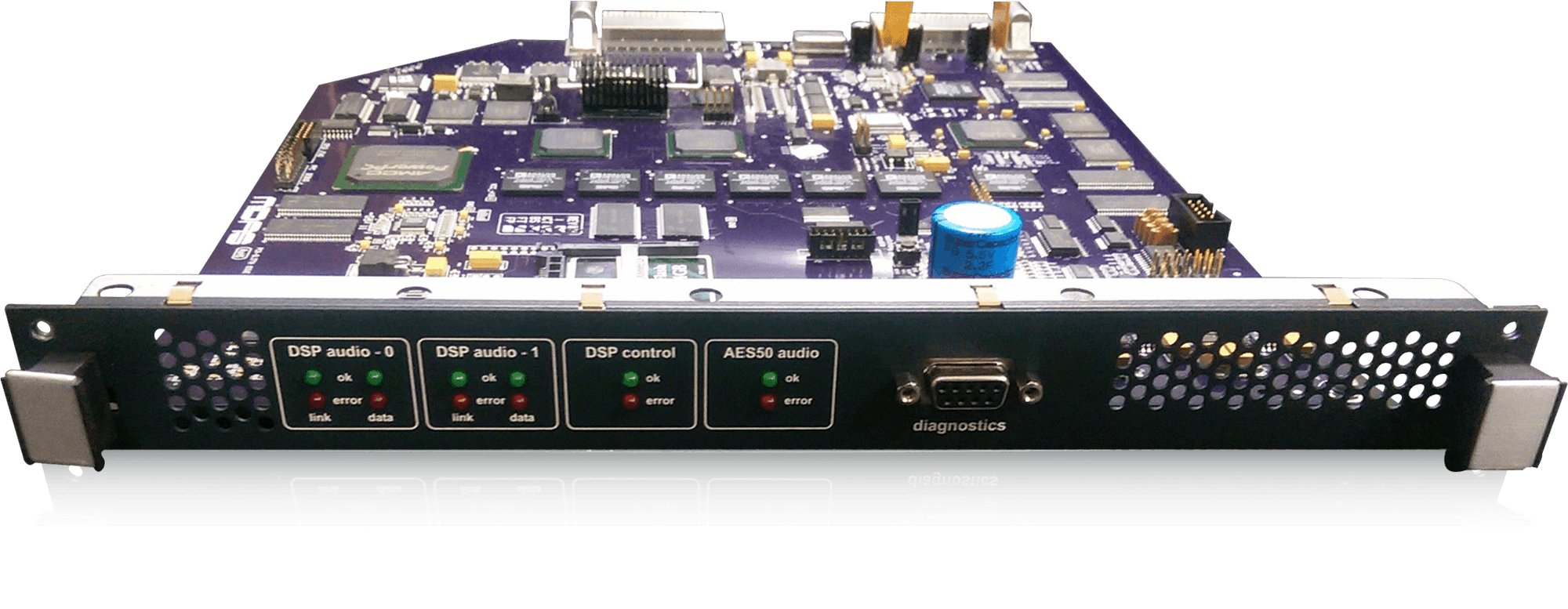
DL371 Audio System Engine DSP Card with 5.28 Gigaflops Performance
1 / 1
View in fullscreen
DL371A
LegacyDL371 Audio System Engine DSP Card with 5.28 Gigaflops Performance
About this product
DL371 Audio System Engine DSP Card with 5.28 Gigaflops Performance
5.28 Gigaflops of Pro Series DSP
The DL371A is a digital signal-processing expansion card for the DL371 Audio System Engine. Each card adds 5.28 Gigaflops of 40-bit floating-point processing at 96 kHz, with dual-redundant ring topology and contra-rotating communications built in. Adding DL371A cards is the official Midas path for upgrading a DL371 from PRO3 to PRO6 to PRO9, or for unlocking N+1 redundant operation on any of those frames.
Modular, Future-Proof Scaling
The DL371A turns the Pro Series engine into a console that grows with the venue. Start with a PRO3, then drop additional DL371A cards into the engine as your channel count, FX load or redundancy needs increase — no replacement engine, no second console, no compromise on the sonic character your front-of-house engineer already trusts. Designed and engineered in the U.K.
- 5.28 Gigaflops DSP performance
- 40-bit floating-point at 96 kHz
- Dual-redundant contra-rotating ring topology
- Upgrade path for PRO3 → PRO6 → PRO9
- Enables N+1 redundant operation