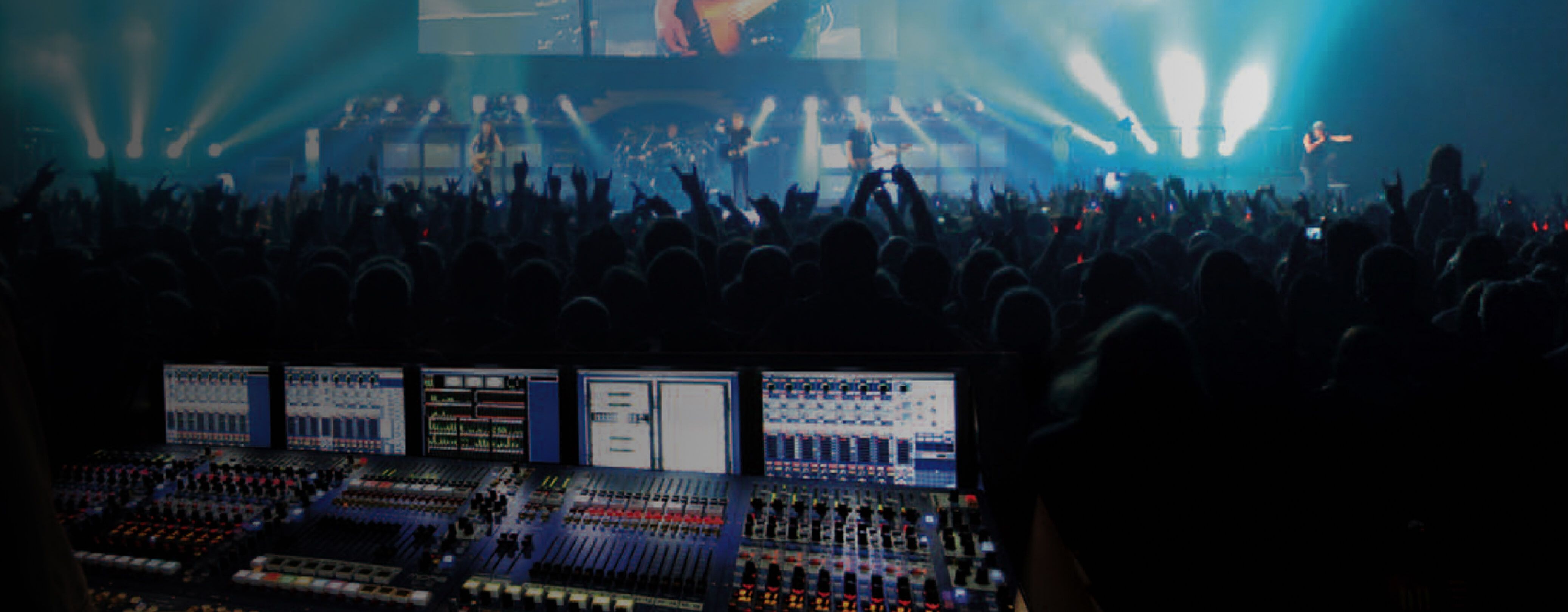
Back Human-First, Fan-Obsessed


Human-First, Fan-ObsessedBring It Alive
We at Midas believe that mixing engineers are the voice of the artist.
2M+
Active Creators
150+
Countries
35+
Years
Human-First, Fan-ObsessedBring It Alive
We at Midas believe that mixing engineers are the voice of the artist.
 Our Journey
Midas fuses our "Midas Blue" analog legacy with AI-First engineering to eliminate technical friction. By empowering creators to reach a "Flow State," we ensure the artist's soul reaches every fan with total integrity. We don't just build consoles; we design the future of sonic architecture.
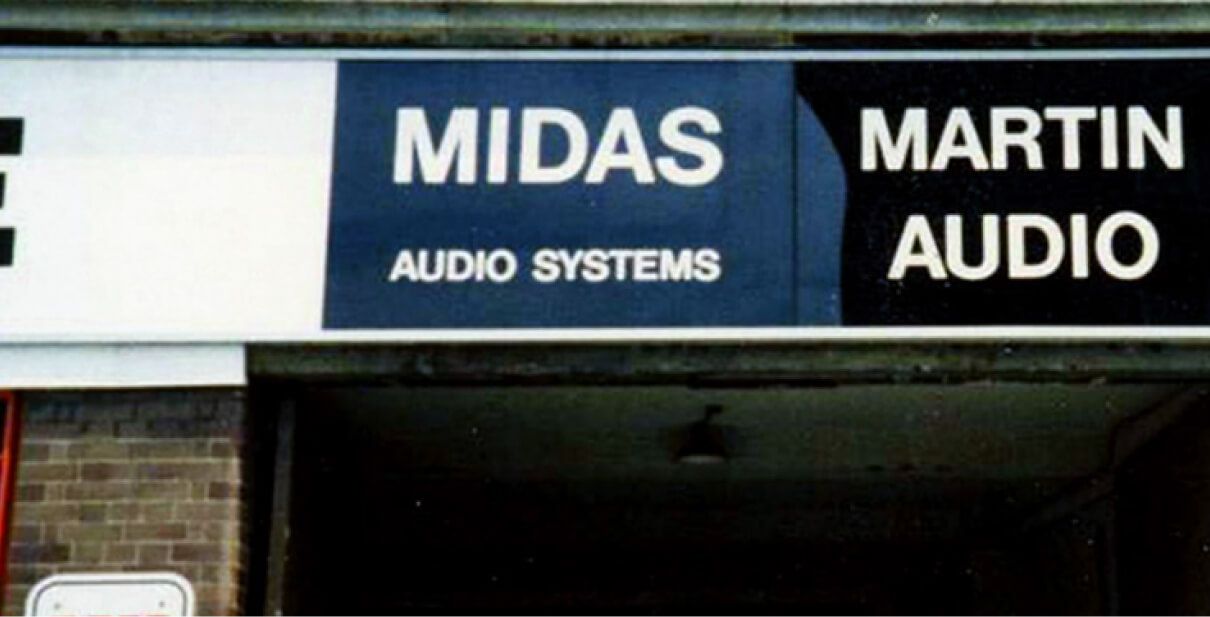
Founded in 1970s London by Jeff Byers and Charles Brooke, Midas evolved from guitar amps to modular PA systems. Their proximity to Martin Audio led to iconic touring partnerships and the 1972 debut of the first Midas mixing console.
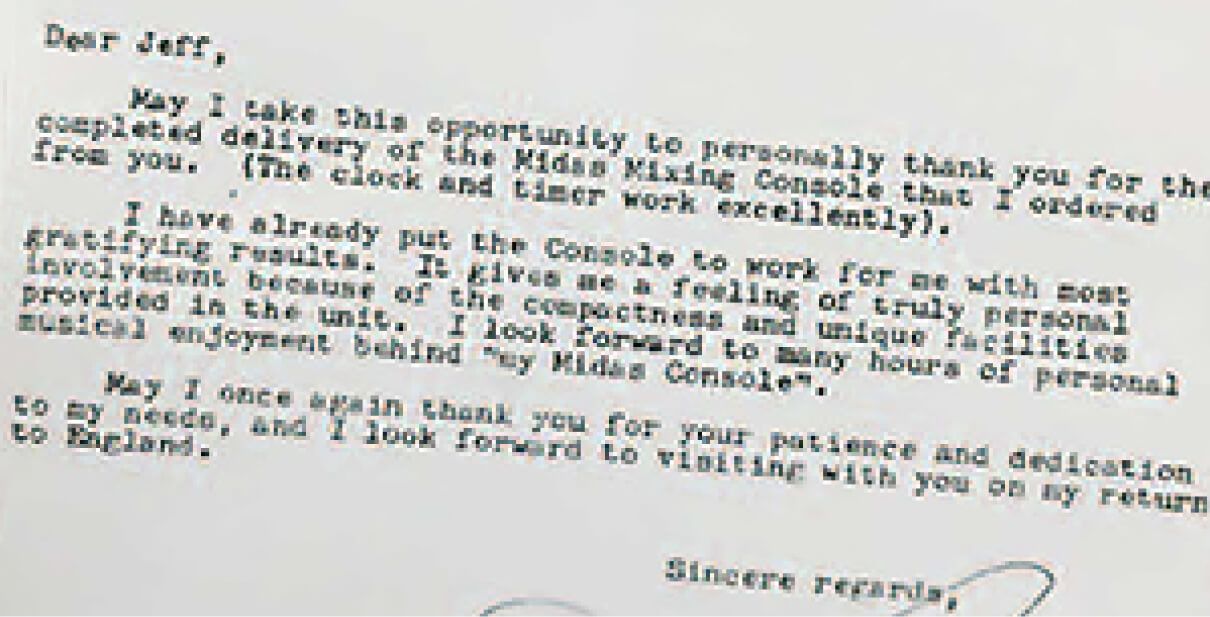
In 1971, brothers Philip and Terence Clarke founded the company that would become Klark Teknik. Terry’s experience building studios for icons like AC/DC at Albert Studios provided the high-end engineering foundation that defined the brand's professional audio standards.
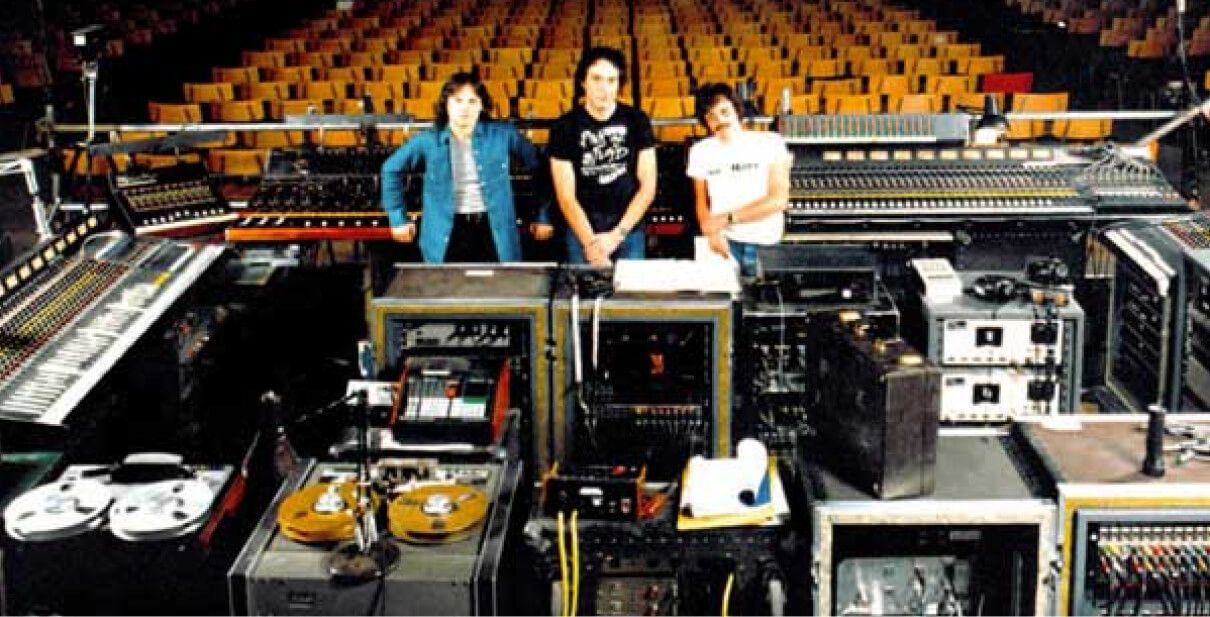
In 1974, Midas launched the successful PR System (PRO4) after touring with Supertramp. By 1975, they debuted dedicated monitor consoles for icons like Elvis Presley. Midas quickly became the gold standard for massive productions, providing custom quadraphonic rigs for Pink Floyd’s The Wall and powering legendary theater hits like Cats and Evita.
In the early 1980s, the PRO40 series became Midas’s flagship line. Its modular design offered expanded features and enabled the construction of significantly larger mixing consoles.
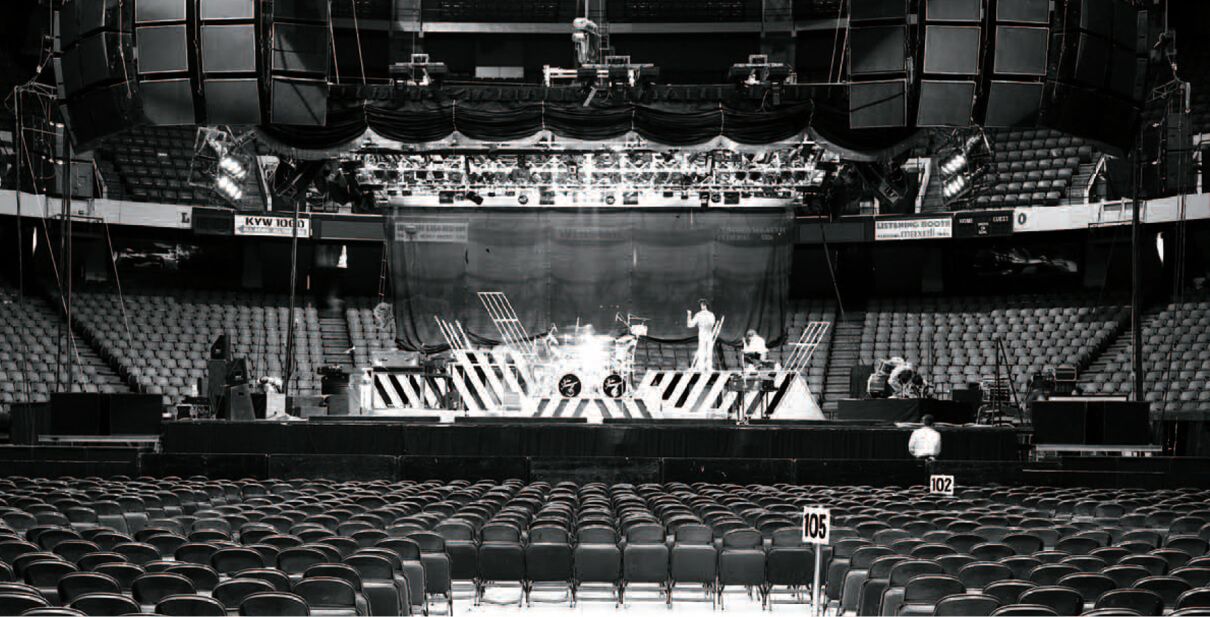
In 1986, Midas launched the XL console, the first of a series that would define the brand’s future. However, high development costs led to Klark Teknik acquiring Midas in 1987, moving production to Kidderminster to complete the final PRO40 units and secure the company’s legacy.

Following the acquisition, Klark Teknik’s resources enabled the successful 1988 launch of the Midas XL2. Meanwhile, Klark Teknik expanded into digital and dynamics, releasing the DN735 solid-state recorder and the DN500 series, while Midas introduced the XL88 matrix mixer.
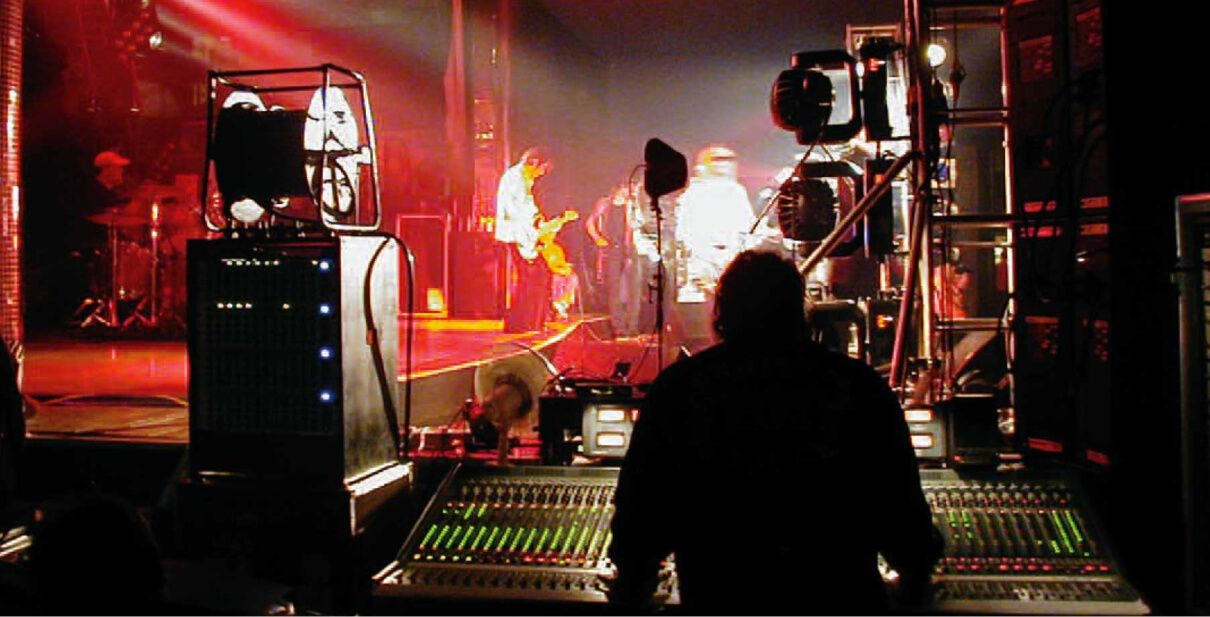
The XL3 re-established Midas as an industry leader. By adding innovative VCA faders to a monitor-style layout, it became the first truly versatile console for both Front of House and Monitors, offering 22 outputs and up to 40-channel configurations.
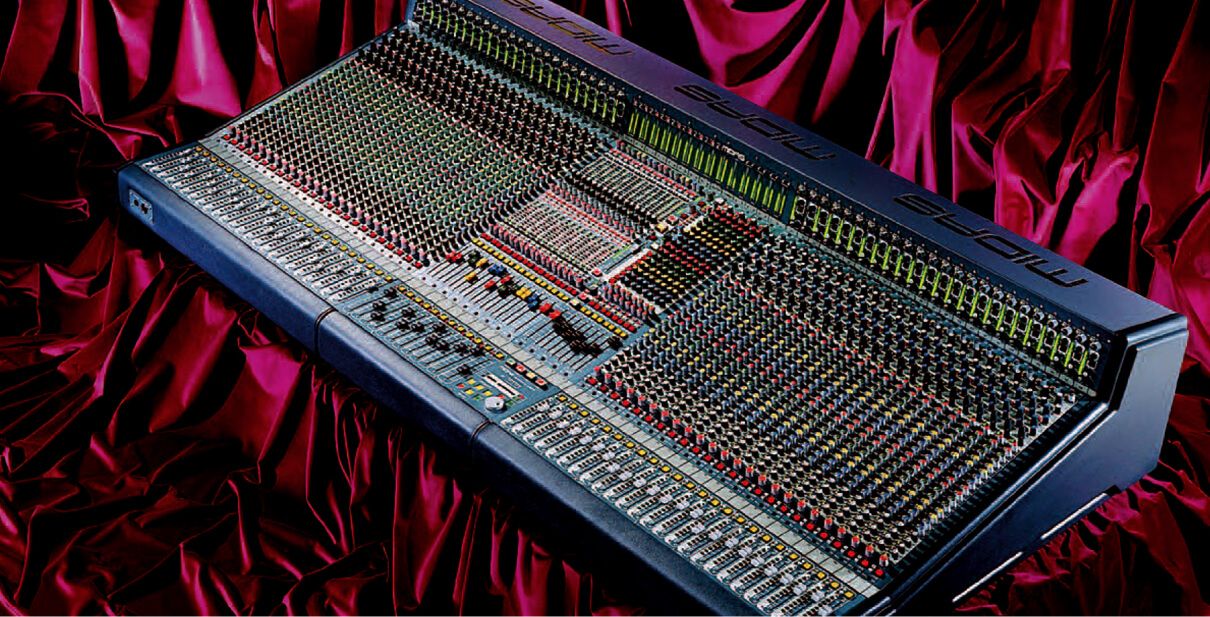
The XL4 remains the ultimate statement in analog mixing, still appearing on top-tier tour riders today. It set the industry benchmark with its motorized fader automation and unmatched audio performance, touring with icons like The Rolling Stones and Metallica.
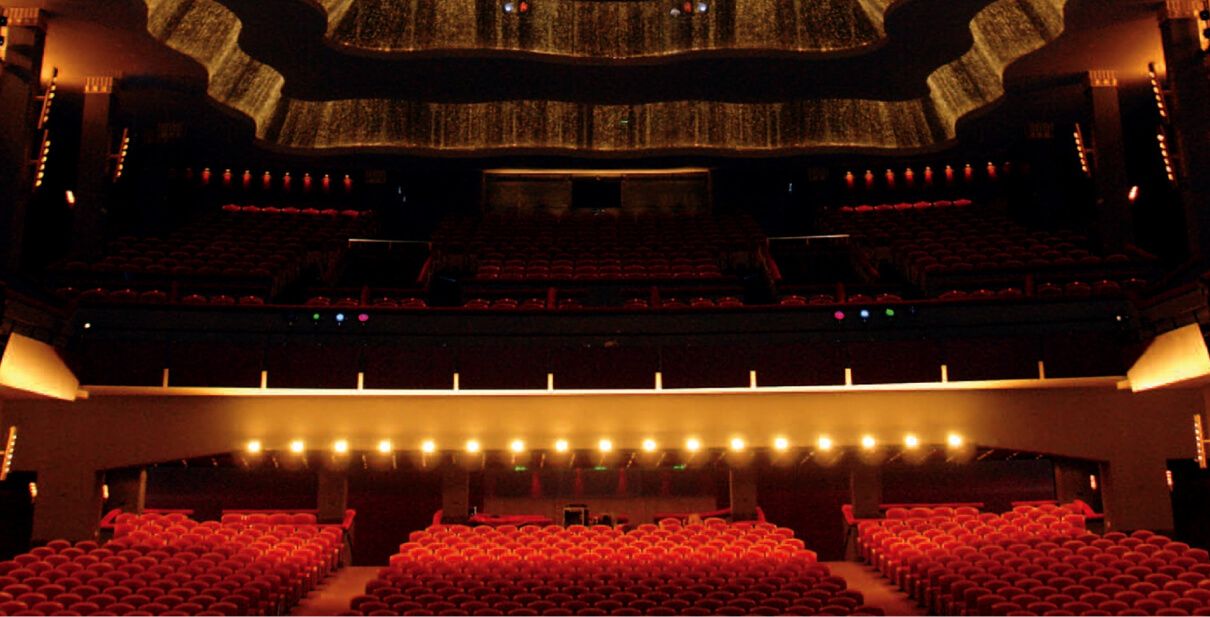
In 1996 it was decided to split R&D into two separate sections, one for Klark Teknik and one for Midas (DDA was already autonomous due to its Hounslow location).
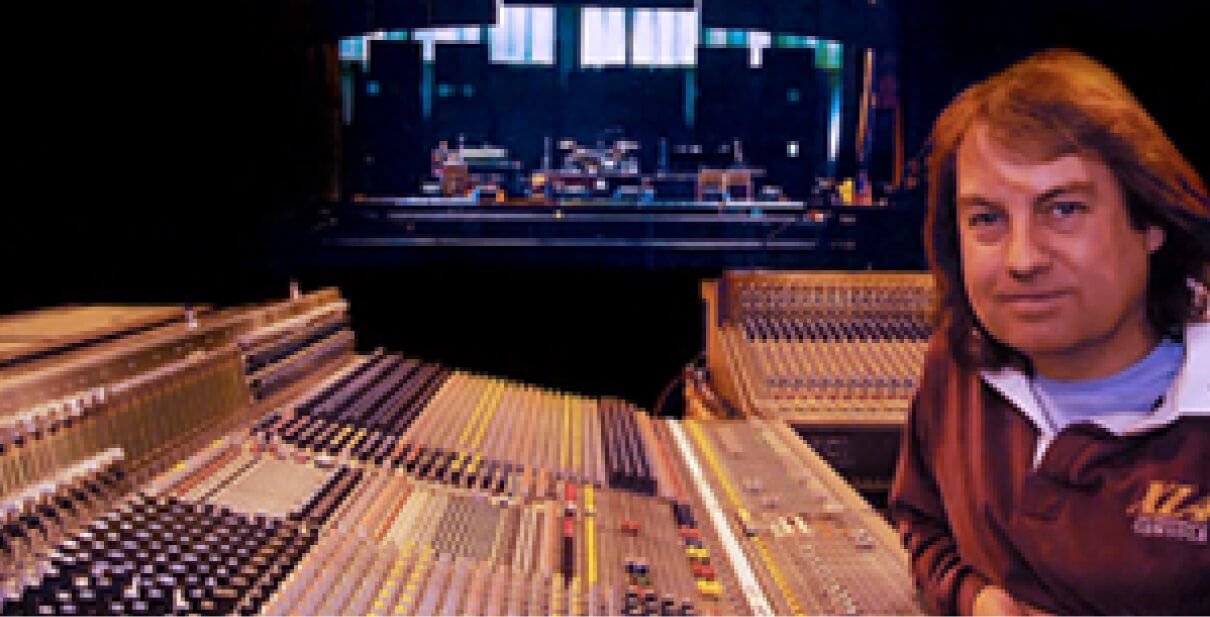
The Heritage Series cemented Midas’s touring dominance for over a decade. The H3000 (1998) became the global industry standard for both FOH and monitors, while the H4000 (2002) provided the high bus counts necessary to handle the rapid rise of in-ear monitoring (IEM).
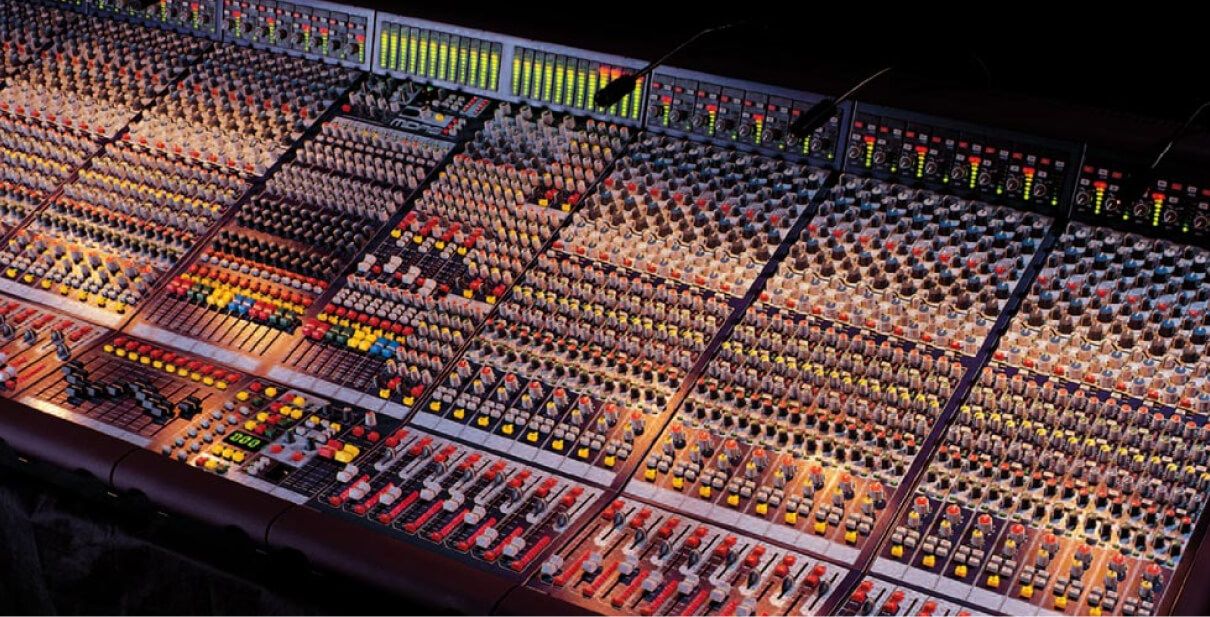
The 2002 Legend 3000 was the world’s first "Tri-Purpose" console, featuring dual faders per channel for simultaneous FOH and monitor mixing. It introduced a modular flat PCB design that improved reliability and became the blueprint for Midas construction for the next decade.
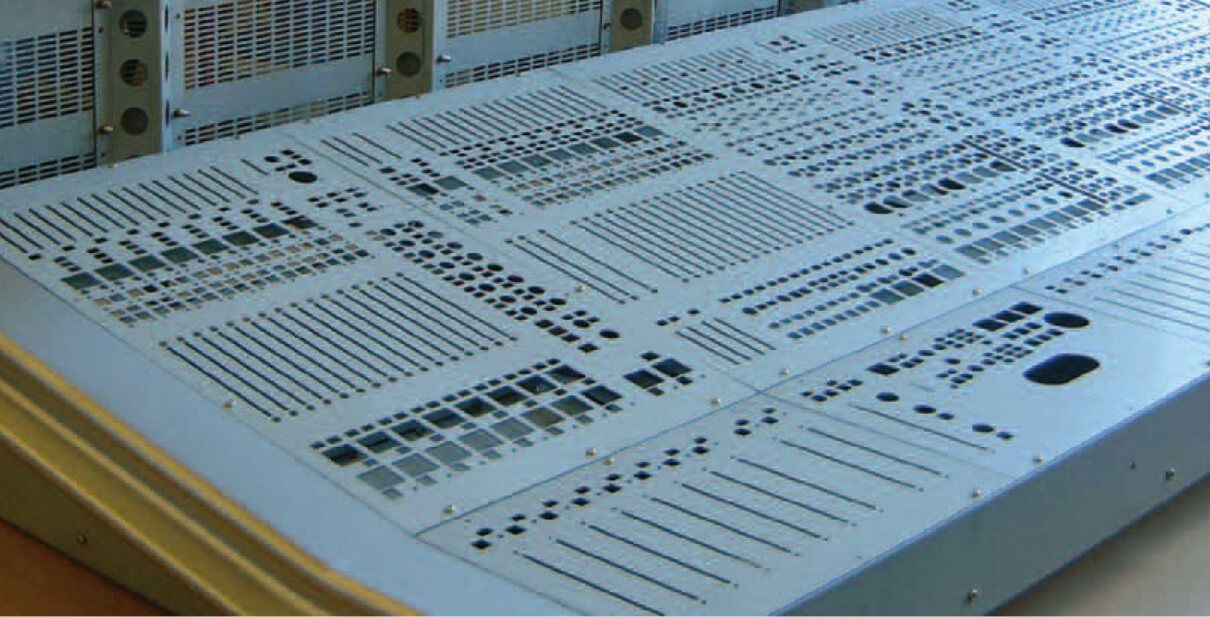
The 2002 Legend 3000 was the world’s first "Tri-Purpose" console, featuring dual faders per channel for simultaneous FOH and monitor mixing. It introduced a modular flat PCB design that improved reliability and became the blueprint for Midas construction for the next decade.
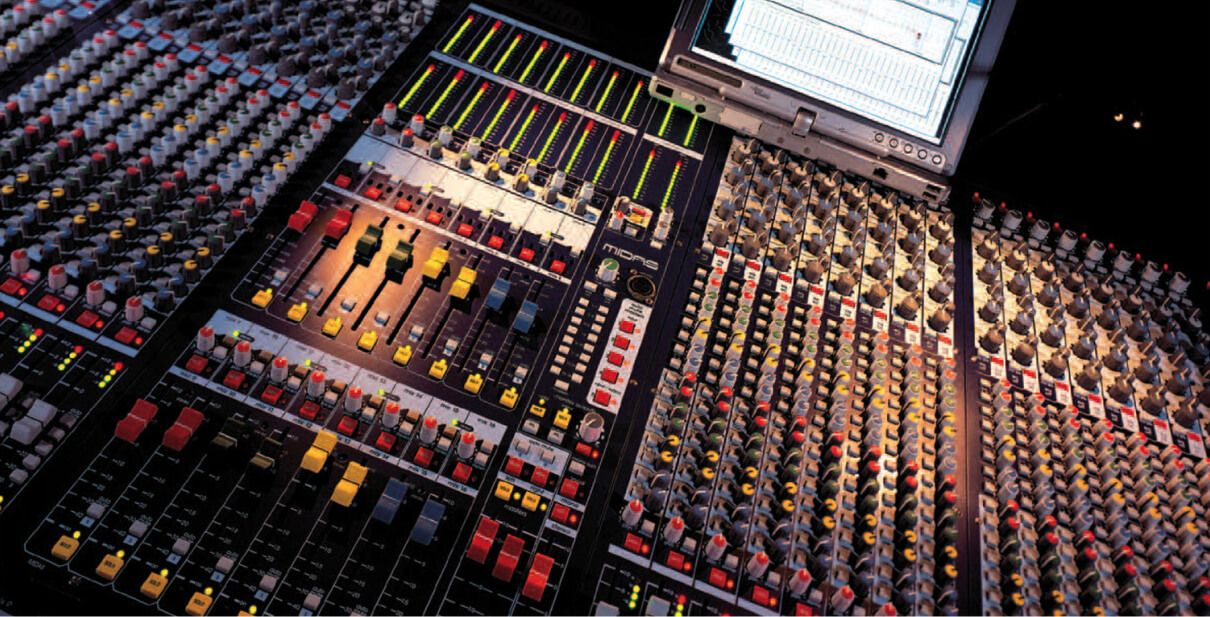
Midas analogue console development was not neglected during this time.The 8-Bus VERONA console debuted in 2004, and its companion SIENA monitor console with 16 dedicated auxiliary sends arrived early the following year. Both consoles featured the eight-channel modular construction pioneered on the LEGEND 3000 console and came in frame sizes from 24 to 64 channels.
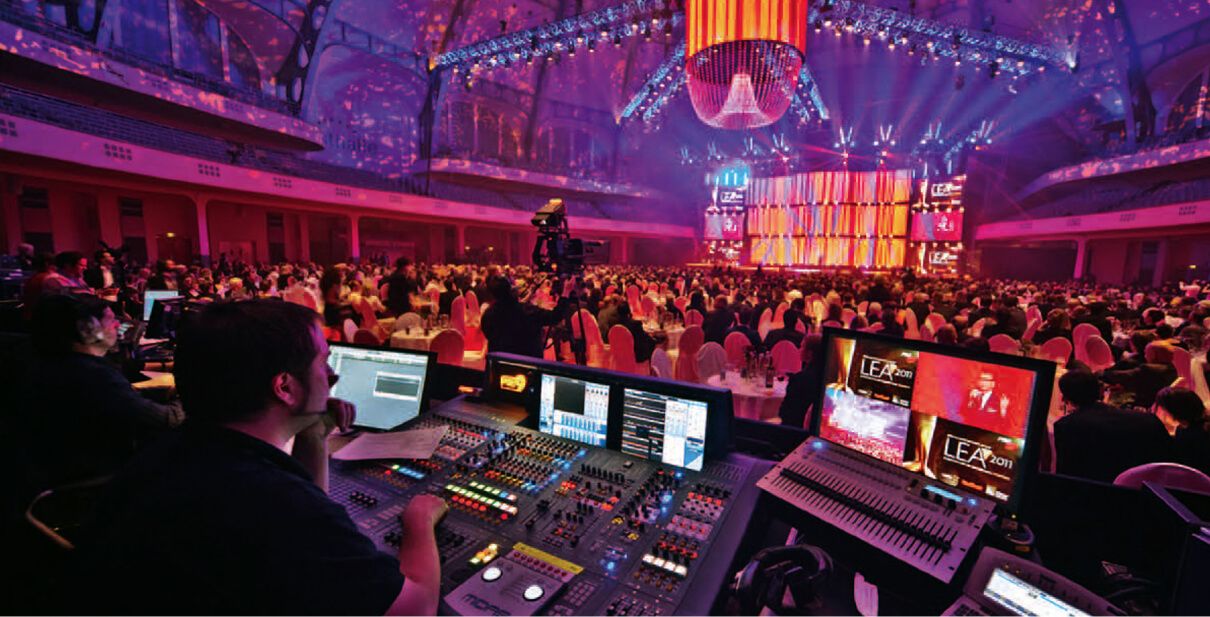
Launched in 2006, the Midas XL8 featured five redundant control bays and a "no single point of failure" architecture. It became the digital standard for world-class events, including Led Zeppelin’s 2007 reunion and the Nobel Peace Prize ceremony.
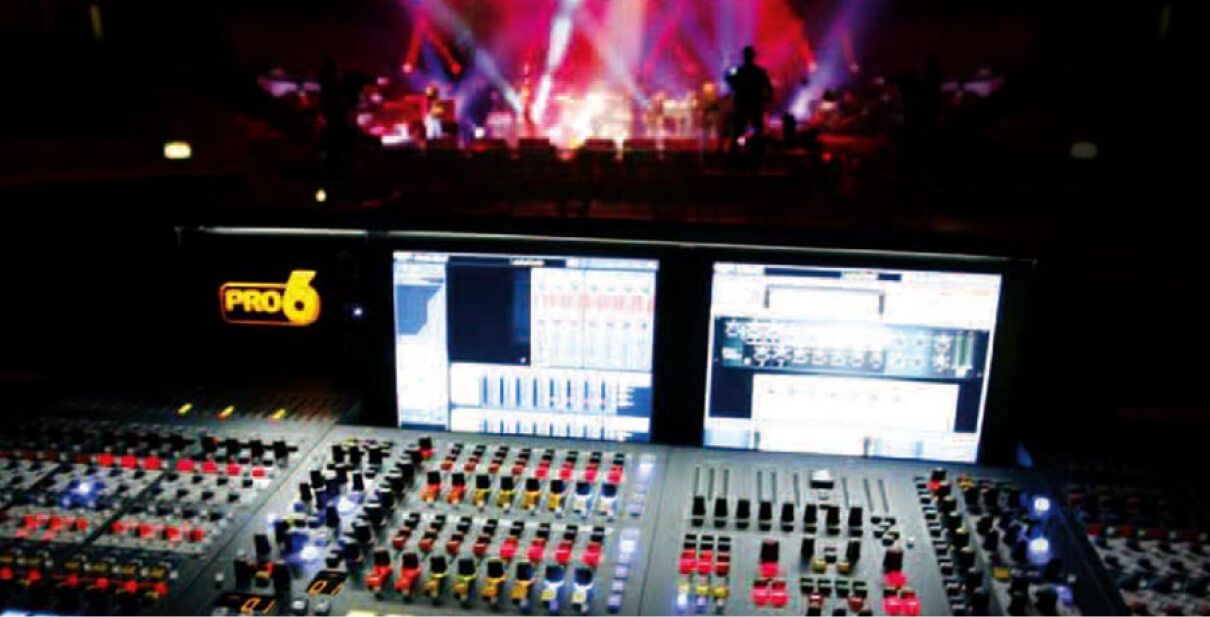
Launched in 2008, the PRO6 scaled XL8 technology into a "workhorse" package for the mainstream touring market, its name honoring the classic PRO4 and PRO40 series.
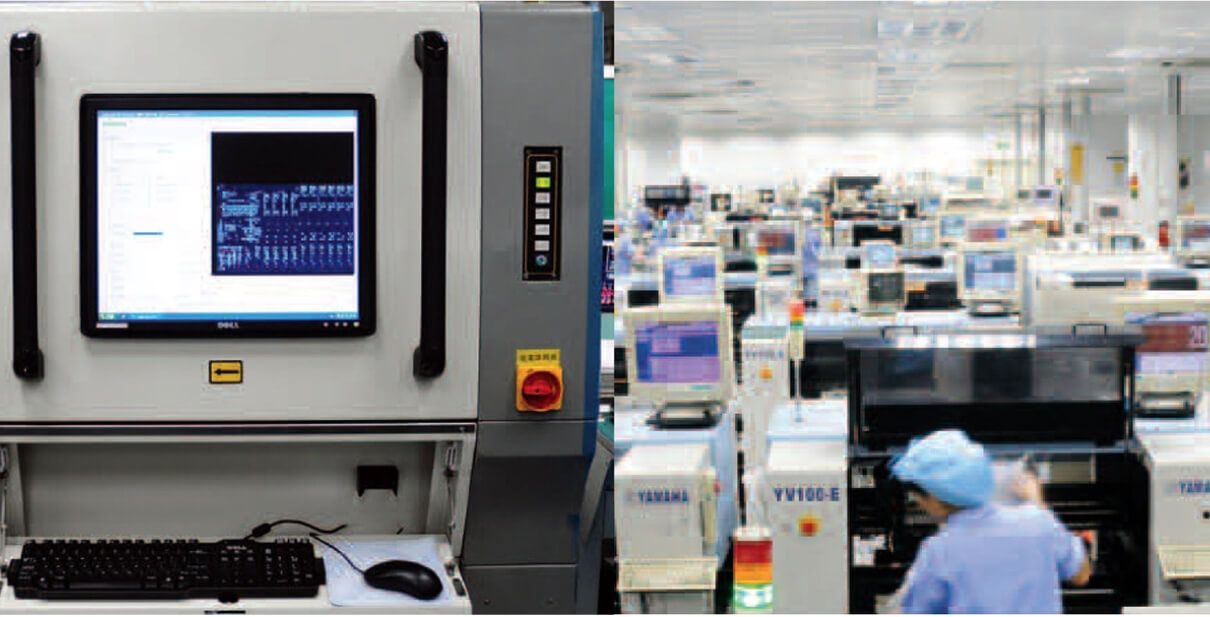
In 2009, Music Tribe acquired Midas and Klark Teknik, investing $20M+ in a state-of-the-art manufacturing hub in China. This "Music Tribe City" paired Midas’s engineering heritage with advanced automated production and massive global scale.
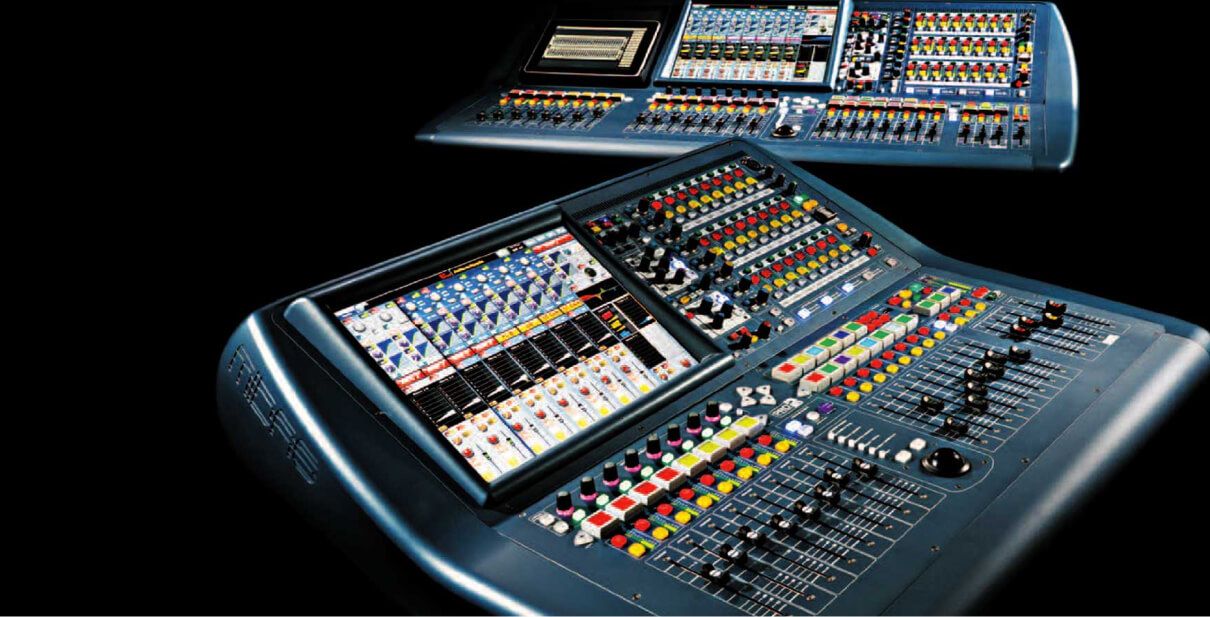
Midas expanded its engineering team and pivoted to meet the rising demand for cost-effective digital touring. This led to the PRO2, PRO2C (2011), and the compact PRO1 (2012)—versatile, high-capacity consoles that quickly became the new industry standards.
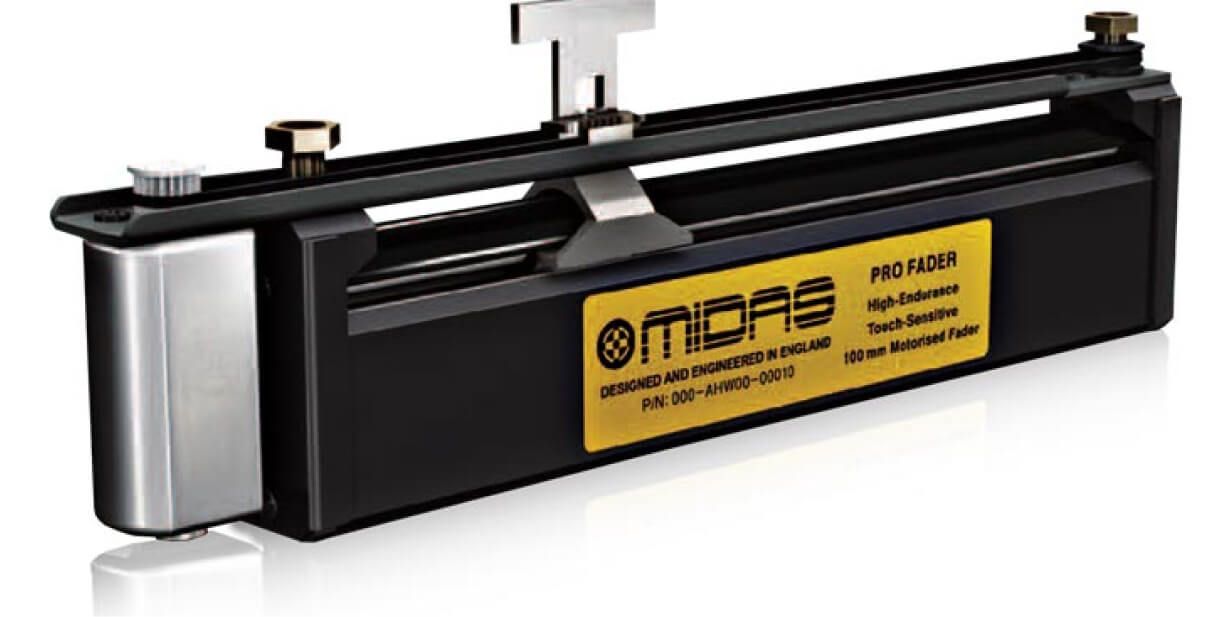
Midas leveraged Music Tribe’s manufacturing power to develop the PRO FADER, a million-cycle motorized fader using semi-precious metal contacts for extreme durability. Midas opened a R&D Centre of Excellence in Manchester, expanding its engineering team for future innovation.
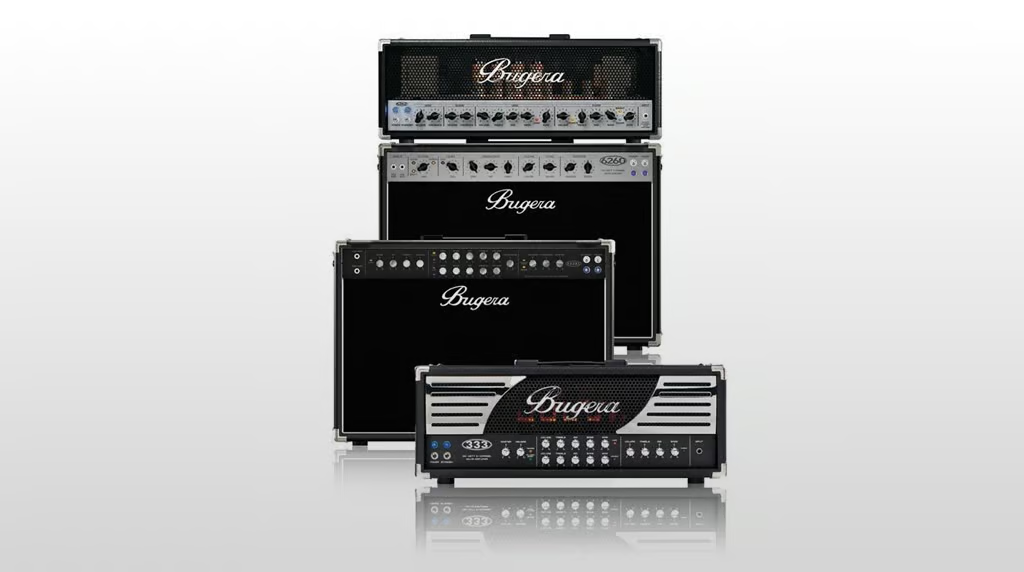
Bugera launched to bring authentic all-tube guitar amplification to more players—delivering classic tube tone and feel at accessible prices, powered by INFINIUM Tube Life Multiplier technology for longer, more reliable tube performance. That same year, Behringer introduced the F-CONTROL FCA202, its first FireWire audio interface, offering ultra-compact, low-latency recording for Mac and PC—ideal for musicians on the move. Behringer also earned industry recognition with the BCD2000, a Tech Awards winner.
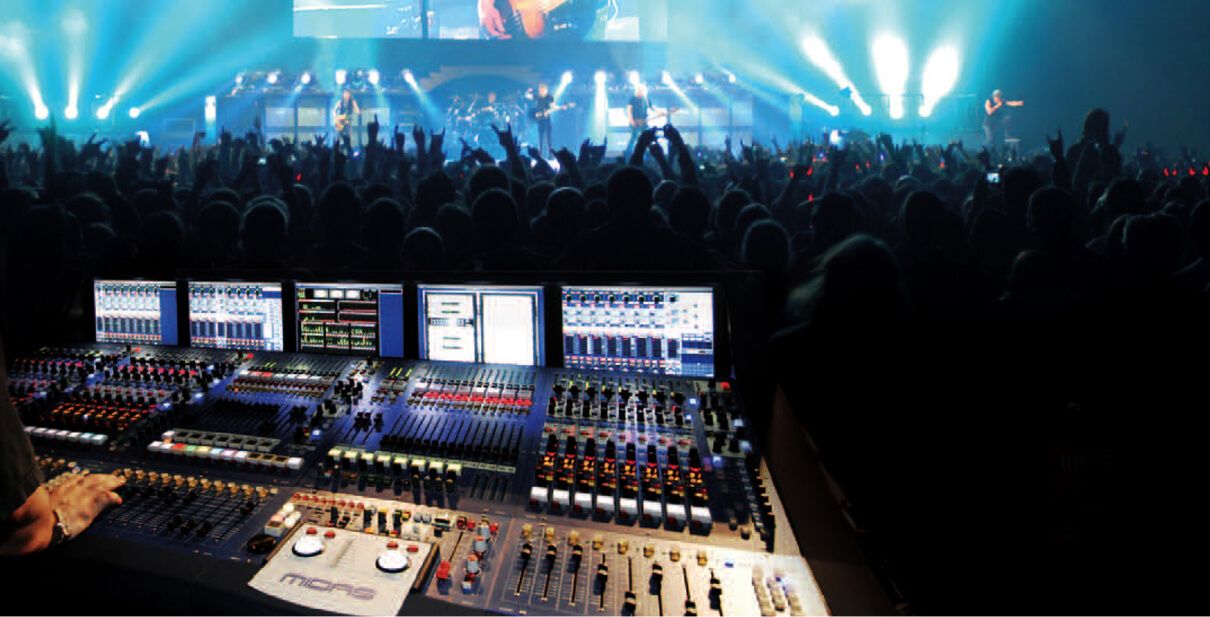
For over 40 years, Midas and Klark Teknik have led the industry through award-winning innovation. This success is a tribute to the dedication of our employees, partners, and the global audio community. We thank you for this journey and look forward to shaping the next 40 years together.
 Industry 4.5 / 5.0
We're pioneering a new era of business where fans, creators, and makers collaborate as equals. This is Industry 5.0—human-centric, sustainable, and built on direct connections.

Every Triber acts as an entrepreneur, directly connected to fans and customers. No bureaucracy, no middlemen—just real relationships.

Products aren't "finished"—they evolve with your feedback. You're not just a customer; you're a collaborator shaping the future.

Technology serves people, not the other way around. Every decision starts with: "How does this help creators thrive?"

Breaking down barriers between creators, makers, and fans
A new way of working together
 Creator-to-Fan 4.5